

West India Quay rubbish pickup rules and costs
Posted on 10/10/2026
If you live, work, or manage property around West India Quay, rubbish can become one of those small problems that turns annoying fast. Bags left out too early, awkward bulky items, unclear collection times, and surprise charges all add up. The good news? Once you understand West India Quay rubbish pickup rules and costs, the whole thing becomes much easier to plan for.
This guide breaks down how rubbish pickup usually works in the area, what affects pricing, when a private collection makes sense, and how to avoid the common mistakes that lead to delays or extra fees. You will also find a practical checklist, a real-world example, and a straightforward comparison of options. No fluff. Just the stuff that actually helps.
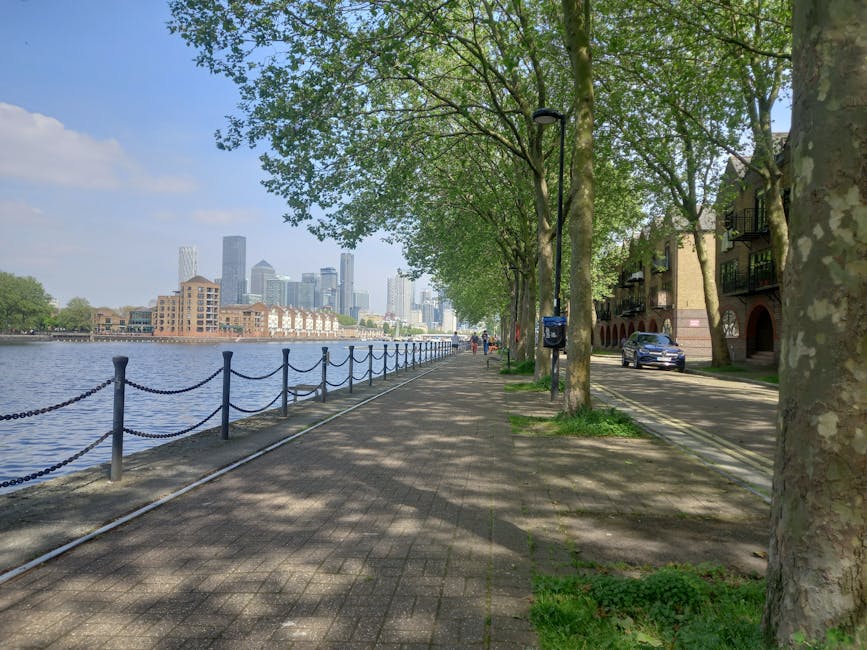
Why West India Quay rubbish pickup rules and costs Matters
West India Quay sits in a busy part of London where residential blocks, offices, hospitality venues, and managed properties all operate on tight schedules. That matters because rubbish is not just a visual issue; it affects access, hygiene, neighbours, building reputation, and sometimes even compliance. One bag left in the wrong place can be one bag too many. Sounds dramatic, but anyone who has dealt with a bin store on a Monday morning knows the feeling.
The rules matter because waste in London is rarely as simple as "put it out and forget it." Collection times may be restricted by a building's management, by local access arrangements, or by the type of waste itself. Costs matter because the cheapest option on paper can become expensive once you add labour, access charges, heavy lifting, waiting time, or special handling. Truth be told, the real expense is often time lost dealing with the mess.
For residents, the stakes are usually convenience and avoiding nuisance. For landlords and managing agents, it is about keeping communal areas tidy and preventing complaints. For businesses, it can also affect customer perception. Imagine a clean riverside frontage with a stack of broken packaging outside the back entrance at 8am. Not ideal, is it?
If you want a broader picture of the area and how people live and work around it, the site's Canary Wharf living guide gives useful local context, and the property market article helps explain why clean communal spaces matter so much to value and presentation.
How West India Quay rubbish pickup rules and costs Works
In practice, rubbish pickup around West India Quay tends to fall into one of three buckets: regular household or building collection, ad hoc private rubbish removal, or specialist clearance for bulky, heavy, or mixed waste. The "rules" depend on which route you use.
For standard bins in managed blocks or nearby streets, the key questions are usually:
- When can waste be placed out?
- Where should it be stored before collection?
- What items are accepted?
- Who is responsible for bagging, separating, and moving the waste?
For private rubbish collection, the process is more flexible. A team usually arrives, assesses the load, confirms access, removes the waste, and charges based on volume, weight, labour, and any special items. In a busy area like West India Quay, access can be a bigger cost factor than people expect. A lift booking, loading bay delay, or awkward carry route can add time, and time is money.
Costs are normally shaped by a handful of practical factors:
- Volume: how much rubbish there is, often measured in part-loads or van space.
- Weight: heavier items can cost more, especially rubble, soil, or wet waste.
- Waste type: general rubbish is usually simpler than furniture, electrical items, or mixed construction waste.
- Access: stairs, parking restrictions, lift delays, or long carry distances can affect the price.
- Urgency: same-day or short-notice bookings may cost more.
- Sorting needs: if items need separating for recycling, that takes extra handling.
To keep things practical, many customers prefer to compare a full-service pickup against a standard bin route. If you are clearing a flat after a move, a flat-pack bed, a broken chair, a couple of black bags, and cardboard can look small, but it can still justify a dedicated collection once you factor in trip logistics. That is where a service such as rubbish collection in Canary Wharf can be more straightforward than trying to squeeze everything into ordinary waste arrangements.
Key Benefits and Practical Advantages
The biggest benefit of understanding West India Quay rubbish pickup rules and costs is simple: fewer surprises. Once you know what is expected, you can time your collection better, sort waste properly, and avoid paying extra for mistakes that could have been prevented.
Here are the main practical advantages:
- Cleaner shared spaces: rubbish is removed before it becomes a nuisance or a complaint.
- Better cost control: you can choose the most suitable collection type instead of overpaying for convenience you do not need.
- Faster turnaround: a well-planned pickup saves all that back-and-forth about access and timing.
- Less risk of penalties or disputes: especially in managed buildings where placement rules are strict.
- Improved recycling: sorting items properly means more of the load can often be diverted from general waste.
There is also a quieter benefit people overlook: peace of mind. If you are a landlord, letting agent, or office manager, not worrying about what is hiding in the bin store is a relief in itself. The smell after a warm day, the bag tearing open, the awkward note from building management. Nobody wants that week.
For larger or mixed loads, choosing the right clearance route can also support better handling of reusable items. For example, furniture and domestic items may be better separated before pickup. If that is part of your job, the site's furniture disposal service and house clearance option may be relevant depending on what needs removing.
Who This Is For and When It Makes Sense
This topic matters to a wider group than people first think. It is not only for households. Around West India Quay, the following groups often need a clear plan for rubbish pickup:
- Residents in apartments: especially if the building has limited bin space or strict collection times.
- Landlords and managing agents: where communal waste accumulation can quickly become a complaint.
- Businesses and offices: particularly if there is packaging, refurb waste, or regular turnover of equipment.
- Contractors and builders: if work produces debris, packaging, timber, or mixed site waste.
- People moving home: because moves create odd piles of items that do not fit the normal weekly routine.
It makes sense to arrange a dedicated pickup when the waste is too bulky for ordinary collections, when access is awkward, or when timing matters. For example, if you are clearing out a flat before handover and there is a narrow window, you do not want to be waiting around for the next standard collection cycle. By then the key has changed hands and the sofa is still there. Not great.
For commercial premises, the decision often comes down to image and speed. A tidy frontage and clear service area keep things moving. If your waste is more project-based than everyday, a broader service from services overview can help you compare what is available without guessing.
Step-by-Step Guidance
If you want to handle rubbish pickup properly around West India Quay, a simple process works best. You do not need a spreadsheet for everything, but a little preparation saves a lot of hassle.
- Identify the waste type. Separate general rubbish, bulky items, recyclables, electrical items, and construction debris. Mixed loads can cost more, so it helps to know what you actually have.
- Estimate the amount. Is it a few bags, a half van-load, or a full clearance? A rough estimate is fine if you are honest about it.
- Check access. Think about stairs, lifts, parking, loading bays, concierge arrangements, and walking distance. This is often the bit people forget until the truck arrives and everybody starts improvising.
- Review timing restrictions. Some buildings only allow waste movement during set hours. Others require prior notice to management. If you are in an apartment block, ask before you drag anything into the hallway.
- Sort what can be reused or recycled. Cardboard, metal, some timber, and certain fixtures may be handled differently from mixed household waste.
- Get a quote based on the real job. The more accurate the description, the less chance of an awkward price change later.
- Prepare the items for pickup. Bag loose waste, flatten cardboard, disconnect anything safely, and keep walkways clear.
- Confirm the collection details. A small amount of confirmation avoids the classic "we thought you meant the other entrance" conversation.
If the waste is mostly from a refit or construction job, you may find the process differs quite a bit from a domestic pickup. In that case, builders waste disposal in Canary Wharf is the more appropriate route, because it is designed for heavier, messier site loads.
Expert Tips for Better Results
A few small decisions make a big difference to cost and convenience. In our experience, the people who avoid the most headaches are not the ones who spend the most; they are the ones who plan the load properly.
- Take photos before booking: a couple of clear images usually improve quote accuracy and reduce back-and-forth.
- Group waste by type: keep cardboard separate from mixed rubbish and keep sharp or awkward items obvious.
- Book around building rhythms: quiet mid-morning slots often work better than peak entry or delivery times.
- Ask about access assumptions: does the quote assume ground-floor pickup, or does it include carry-down from upper floors?
- Check whether labour is included: some quotes look low until you realise lifting, loading, or waiting is charged separately.
- Think about recycling first: not because it sounds nice, but because it can reduce the waste stream and keep the load simpler.
Here is a small but useful habit: if you are clearing a flat, set aside one "keep, donate, or recycle" area before the collectors arrive. It keeps the job tidy and prevents the dreadful last-minute rummage through bags. You know the one.
Another practical tip is to compare the total cost, not just the headline fee. A slightly higher quote that includes access handling, loading, and disposal can be better value than a cheap rate with add-ons hiding in the small print. If you want a clearer overview of pricing structure, the page on pricing and quotes is a sensible place to start.

Common Mistakes to Avoid
The most common rubbish pickup problems around West India Quay are surprisingly ordinary. The issue is not usually the waste itself. It is the planning around it.
- Leaving waste in the wrong place: bin stores, corridors, loading bays, and pavements all have different rules. Guessing is rarely a good strategy.
- Underestimating volume: a "few bits" can turn into half a van when everything is gathered together.
- Forgetting about access: a lifted sofa is no use if the lift is booked, the loading bay is blocked, or the vehicle cannot stop nearby.
- Mixing waste types without checking: rubble, food waste, electronics, and general rubbish may need different handling.
- Not asking about additional charges: hidden fees often appear where people assume a quote covers more than it does.
- Booking too late: if you are working to a move-out, renovation, or inspection deadline, last-minute arrangements can become expensive fast.
A smaller mistake, but one that happens all the time, is forgetting to tell everyone involved. If a concierge, tenant, or site manager does not know the pickup is happening, the whole process can stall. One missing key fob and suddenly the morning is gone.
Another thing: do not assume every waste item can go with general rubbish. Certain electrical items, heavy materials, and hazardous items need separate handling or special arrangements. If in doubt, ask first. It is much easier than dealing with an awkward refusal on the day.
Tools, Resources and Recommendations
You do not need a lot of specialist kit, but a few basic tools make rubbish pickup smoother and safer. A sensible setup can save time and reduce the chance of damage.
- Heavy-duty bags or rubble sacks: useful for loose waste and smaller mixed loads.
- Gloves and basic protective gear: especially for old furniture, broken items, or dusty materials.
- Tape, twine, and labels: great for keeping grouped items together and marking anything delicate.
- Cardboard cutters or scissors: helpful when breaking down packaging.
- Phone camera: simple, but very useful for documenting the load and confirming the condition before pickup.
- Building access details: gate codes, concierge instructions, lift restrictions, and parking notes all belong in one place.
On the service side, the most useful resources are usually the ones that explain scope clearly. A broad waste clearance service is often the best fit if you have mixed items, while loft clearance can be better for awkward, dusty items stored out of sight for years. Different jobs, different methods.
If sustainability matters to you, which it often does in a dense urban area, it is worth checking how materials are sorted and handled. The page on recycling and sustainability is a good fit for readers who want a cleaner outcome, not just a cleared room.
Law, Compliance, Standards, or Best Practice
Waste disposal in the UK comes with real responsibilities, even if the job seems small. You do not need to be a legal expert to make safe, sensible decisions, but you do need to respect a few basics.
Best practice usually means:
- Using an appropriate licensed carrier: only work with a provider that handles waste lawfully.
- Keeping waste separated where possible: this improves recycling and reduces contamination.
- Avoiding blocked exits and communal obstruction: especially in apartment buildings and shared commercial spaces.
- Handling hazardous or restricted materials carefully: do not assume everything can be mixed together.
- Checking building rules: some properties have strict access, storage, or collection procedures.
For businesses, compliance is especially important because duty of care is not just a phrase people use in brochures. It means taking reasonable steps to ensure waste is passed to the right people and managed properly. For residents, the practical version is simpler: do not dump waste where it should not go, and do not rely on informal arrangements if a proper pickup is needed.
Insurance and safety are also worth considering, particularly for heavy lifting, narrow access, or awkward items. If a collection involves stairs or tight shared areas, it is sensible to understand how the provider approaches risk and damage prevention. That is where the site's insurance and safety information may be helpful.
Expert summary: the safest, cleanest rubbish pickup is usually the one that starts with honest waste description, clear access details, and a collection plan that matches the building, not just the rubbish.
Options, Methods, or Comparison Table
Choosing the right option depends on what you are clearing and how quickly you need it gone. Here is a simple comparison to make that easier.
| Option | Best for | Typical strengths | Possible drawbacks |
|---|---|---|---|
| Standard bin or managed building pickup | Routine household waste | Low effort, predictable, often included in building arrangements | Limited by schedule, rules, and accepted item types |
| Private rubbish collection | Mixed domestic waste, bulky items, urgent clearances | Flexible timing, handled for you, useful for awkward loads | Can cost more if access is difficult or load is larger than expected |
| Builders waste disposal | Renovation debris, rubble, packaging, site waste | Better suited to heavy or messy materials | May require clearer sorting and site access planning |
| House or flat clearance | Full room, property, or move-out clearances | Good for larger jobs, saves time, often includes loading | Less suitable for a few small bags only |
If you are comparing everyday rubbish with a larger clearance, keep one thing in mind: the best option is not always the cheapest by headline price. It is the one that removes the waste properly, fits the site, and does not create a second round of hassle later. That's the bit that matters.
Case Study or Real-World Example
Here is a simple, realistic example. A resident in a West India Quay apartment has just finished a small bedroom refresh. The waste includes a broken bedside table, packaging from a new mattress, a mirror, three black bags of old clothes and general clutter, plus a stack of flattened cardboard. Nothing extreme, but enough that it is awkward to move in a car.
At first, the resident considers leaving it by the bin store and "sorting it out later." Better not. The building has restricted waste areas and the concierge is not keen on overflow. Instead, the resident takes photos, checks access, and books a private collection for a mid-morning slot when the lift is free and the loading point is quiet.
The result is simple: the load is removed in one visit, the hallway stays clear, and the resident avoids dragging items down in bits over two evenings after work. No drama, no messy pile sitting there at 9pm, and no stern note from management. A boring ending, perhaps, but in rubbish terms boring is perfect.
In a slightly larger version of the same story, a small office team clears out surplus chairs, cardboard, and old display materials before a fit-out. They use a service that can handle mixed items and plan the pickup after building hours. That one small scheduling choice makes the job smooth instead of chaotic. You can feel the difference almost immediately when a site stays quiet and tidy.
Practical Checklist
Use this before booking any rubbish pickup around West India Quay.
- Identify every item you want removed.
- Separate general rubbish from furniture, cardboard, and heavier materials.
- Estimate the amount as honestly as you can.
- Check building rules, lift access, parking, and concierge requirements.
- Decide whether the job is routine, bulky, or a full clearance.
- Take photos for a more accurate quote.
- Ask whether labour, loading, and access are included.
- Confirm the collection time and who will provide access.
- Keep walkways and exits clear on the day.
- Set aside any items that should not be removed.
- Double-check whether anything needs special handling.
- Make sure you know where the waste should be left for collection.
Quick takeaway: if you get the access, load size, and waste type right at the start, the rest usually falls into place.
Conclusion
West India Quay rubbish pickup rules and costs are easier to manage once you think about waste as a logistics problem, not just a bin problem. The right collection plan depends on what you are throwing away, how much of it there is, how easy it is to reach, and whether your building or site has any access limits. That sounds straightforward because, mostly, it is.
The practical win is simple: fewer delays, fewer surprise charges, and a cleaner space that feels under control again. Whether you are handling a household clear-out, a move, or a business disposal job, a little planning goes a long way. And honestly, it is one of those tasks that feels much bigger before you start than it does once it is done.
If you want a clearer next step, compare your waste type, access, and timing first, then choose the service that matches the job rather than the one that just looks cheapest. That small bit of care tends to pay for itself.
Get a free quote today and see how much you can save.

 Tipper Van - Rubbish Removal and Waste Disposal Prices in Canary Wharf, E14
 Luton Van - Rubbish Removal and Waste Disposal Prices in Canary Wharf, E14

